In today’s fast-paced world, grabbing someone’s attention has become a daunting task. Whether you’re designing invitations, packaging, or promotional materials, the need for eye-catching visuals is more critical than ever. One technique that has gained popularity in recent years for its ability to add a touch of luxury and sophistication is foil printing. In this article, we’ll delve into the world of foil printing, exploring its history, process, applications, and the magic it brings to your projects.
What is Foil Printing?
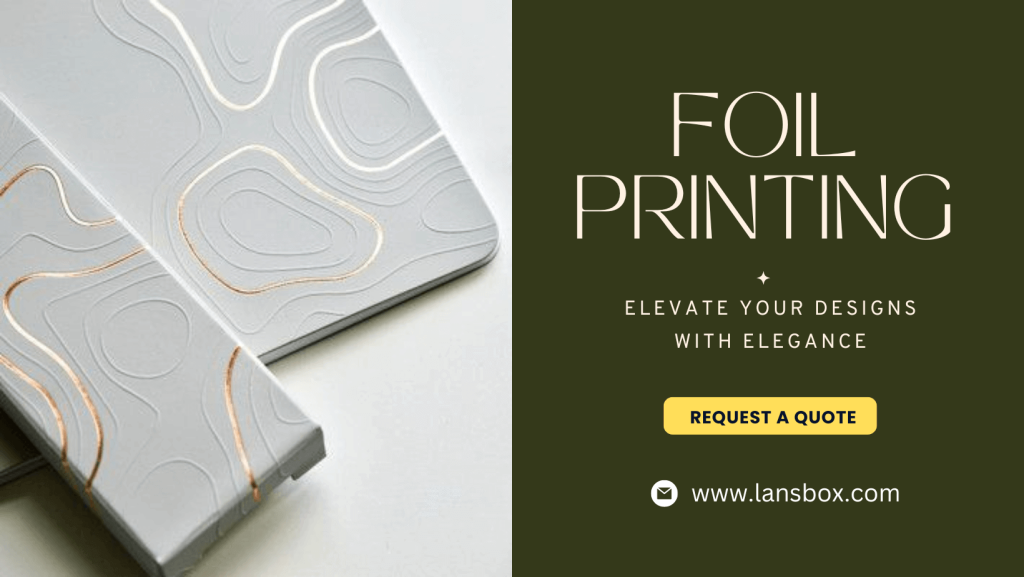
Foil printing, also known as hot foil stamping or foil stamping, is a printing method that involves the application of a metallic or colored foil to various surfaces, creating a striking, shiny finish. This process is widely used for enhancing the visual appeal of products and printed materials.
The History of Foil Printing
It has a rich history dating back to ancient civilizations. The earliest records of foil stamping can be traced to ancient Egypt, where gold foil was used to decorate manuscripts and sacred texts. The art of foil printing evolved over the centuries, with innovations in technology and materials. In the 19th century, the introduction of hot foil stamping machines revolutionized the printing industry, making it more accessible and efficient.
How Does Foil Printing Work?
Foil printing utilizes a combination of heat and pressure to transfer the foil onto the intended surface. The process involves the use of a die, which is heated and pressed against the foil and substrate. As the die presses onto the foil, the foil adheres to the substrate, leaving behind a metallic or colored imprint.
Types of Foil Stamping
This method involves the use of a heated die to transfer the foil onto the surface. It’s commonly used for high-end applications like packaging and invitations.
Cold foil stamping employs UV-cured adhesive to transfer the foil onto the substrate. It’s suitable for various materials, including paper and plastic.
Digital foil printing is a modern technique that allows for customization and short print runs. It’s ideal for adding foil accents to digital designs.
Advantages of Foil Stamping
Foil-stamped designs catch the eye and leave a lasting impression.
Foil stamping is resistant to wear and tear, ensuring your designs remain pristine.
Foil printing allows for creative customization, making your designs unique.
Applications of Foil Stamping
Foil-stamped invitations add an elegant touch to weddings, parties, and special events.
Premium products often feature foil-stamped packaging to convey luxury and exclusivity.
Foil-stamped business cards stand out and leave a lasting impression on potential clients.
Brochures, flyers, and posters with foil accents attract attention and convey a sense of quality.
Authors and publishers use foil stamping to make book covers visually appealing and memorable.
Incorporating foil printing into your projects elevates them to new heights. Whether you’re aiming for elegance, sophistication, or simply a touch of luxury, foil printing can make your designs shine. So, why wait? Embrace the art and science and let your creativity sparkle.
Conclusion
In a world where attention is a valuable commodity, foil printing emerges as a powerful tool to captivate your audience. Its rich history, versatile applications, and numerous advantages make it a go-to choice for designers looking to add a touch of elegance and sophistication to their projects.
Are you ready to elevate your designs with foil printing? Discover the endless possibilities it offers and start creating eye-catching visuals today.